The Modern Immigrant Rights Movement

Originally published by the Americas Program of the Center for International Policy

Posted on: 14/01/2012 by 

By David Bacon

Editor’s Note: This is the third and final installment of a three-part series on migrant rights by journalist and immigration activist David Bacon. This article is taken from the report “Displaced, Unequal and Criminalized – Fighting for the Rights of Migrants in the United States” that examines the origins of the current migratory labor phenomenon, the mechanisms that maintain it, and proposals for a more equitable system. The Americas Program is proud to publish this series in collaboration with the author.

Development of the Immigrant Rights Movement to 1986

Before the cold war, the defense of the rights of immigrants in the U.S., especially those from Mexico, Central America and Asia was mounted mostly by immigrant working class communities, and the alliances they built with the left wing of the U.S. labor movement. At the time when the left came under attack and was partly destroyed in the cold war, immigrant rights leaders were also targeted for deportation. Meanwhile, U.S. immigration policy became more overtly a labor supply scheme than at any other time in its history.

In the 1950s, at the height of the cold war, the combination of enforcement and contract labor reached a peak. In 1954 1,075,168 Mexicans were deported from the U.S. And from 1956 to 1959, between 432,491 and 445,197 Mexicans were brought into the U.S. each year on temporary work visas, in what was known as the “bracero” program. The program, begun during World War Two, in 1942, was finally abolished in 1964.

The civil rights movement ended the bracero program, and created an alternative to the deportation regime. Chicano activists of the 1960s – Ernesto Galarza, Cesar Chávez, Bert Corona, Dolores Huerta and others – convinced Congress in 1964 to repeal Public Law 78, the law authorizing the bracero program. Farm workers went on strike the year after in Delano, California, and the United Farm Workers was born. They also helped to convince Congress in 1965 to pass immigration legislation that established new pathways for legal immigration – the family preference system. People could reunite their families in the U.S. Migrants received permanent residency visas, allowing them to live normal lives, and enjoy basic human and labor rights. Essentially, a family- and community-oriented system replaced the old labor supply/deportation program.

Then, under pressure from employers in the late 1970s, Congress began to debate the bills that eventually resulted in the 1986 Immigration Reform and Control Act. That debate set in place the basic dividing line in the modern immigrant rights movement. IRCA contained three elements. It reinstituted a bracero-like guest worker program, by setting up the H2-A visa category. It penalized employers who hired undocumented workers (“employer sanctions”), and required them to check the immigration status of every worker. And it set up an amnesty process for undocumented workers in the country before 1982.

Continue reading

VC STAR: “Curbs on road checkpoints lift illegal immigrants’ fears”

Originally published by the Ventura County Star

From staff and wire reports

Posted December 26, 2011 at 1:28 a.m.

Article Excerpts:

  • … He does not have a driver’s license because he is in the United States illegally, and it would cost about $1,400 to get his Nissan Frontier pickup back from the towing company. He has breathed a little easier since he began getting blast text messages two years ago from activists who scour streets to find checkpoints as they are ­being set up.
    The cat-and-mouse game ends Sunday when a new law takes effect in California to prohibit police from impounding cars at sobriety checkpoints if a motorist’s only offense is being an unlicensed driver. Thousands of cars are towed each year in the state under those circumstances, hitting pocketbooks of illegal immigrants especially hard.
  • “A car is a necessity. It’s not a luxury,” said Aldama, 32, who lives in Escondido with his wife, who is a legal resident, and their 5-year-old son, a U.S. citizen.
    Assemblyman Gil Cedillo, a Los Angeles Democrat who tried unsuccessfully to restore driver licenses to illegal immigrants after California revoked the privilege in 1993, said he introduced the bill to ban towing after learning the notoriously corrupt city of Bell raked in big fees from unlicensed drivers at checkpoints.
    The National Highway Traffic Safety Administration paid for 2,553 checkpoints last year, which authorities say helps explain why deaths caused by drunken drivers hit an all-time low in the state.
    Police also ask for drivers’ licenses at the sobriety checkpoints. Supporters of the vehicle impounds say unlicensed drivers are also a roadside hazard and that the new law is misguided.
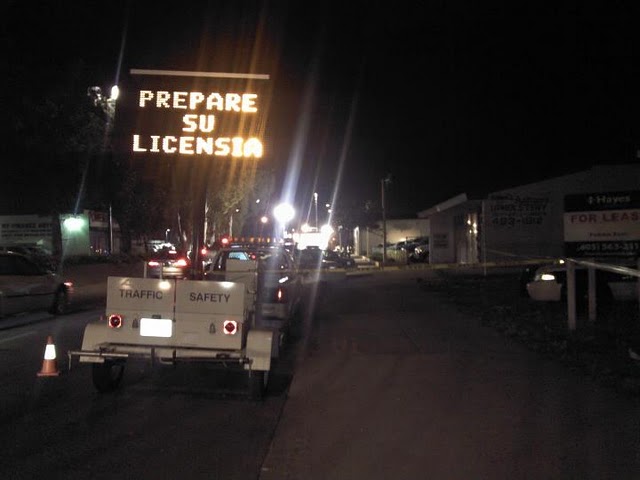
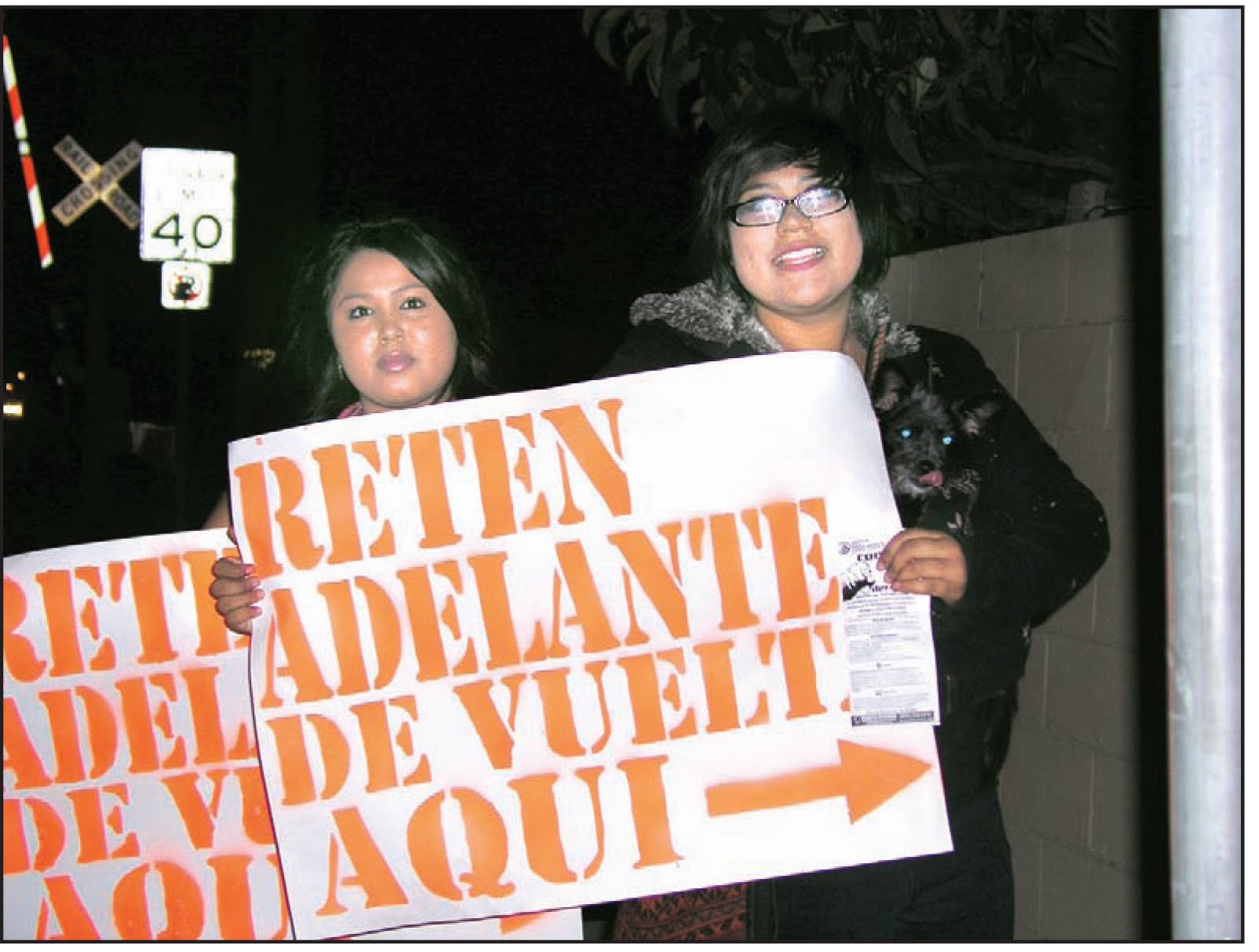
  • A sharp increase in federally funded sobriety checkpoints in California has fueled controversy.In July, protesters opposing the impounding of cars turned out at a police checkpoint in Oxnard.At the time, Francisco Romero, a member of Todo Poder al Pueblo Collective, said, “These are low-­income workers who need a vehicle to get back and forth to work.”In a news release at the time, the group stated:“Since 2009, we have seen a sharp increase in DUI checkpoints that have become less about checking for drunken drivers and more about the impounding of vehicles of unlicensed drivers.” [read more here]The protesters gathered with the intention of warning drivers about the checkpoint so they could take a side street and avoid officers. Police at the time said the checkpoints were designed primarily to target drunken drivers.

    read more…


COLECTIVO TODO PODER AL PUEBLO -Public Announcement at the Oxnard City Council of the passage of AB 353

IMMEDIATE RELEASE: Public Announcement at the Oxnard City Council of the passage of AB 353

WHO: Todo Poder al Pueblo Collective
WHAT: Public announcement of the passage of AB 353, legislation that limits impound and towing policy at the statewide level for unlicensed drivers in California.
WHEN: Tuesday, October 18th, 7pm
WHERE: Oxnard City Council Chambers, 305 West Third Street
CONTACT: poder805@riseup.net, (805) 328-4763 [805-3-AVISO-3]

On Sunday, October 9th, after mounting community pressure, mobilizations and state-wide organizing against the abuse of the towing and impound policy for unlicensed drivers at police checkpoints, the governor signed into law AB 353. This legislation requires law enforcement, if an unlicensed driver is stopped at a checkpoint, to make a reasonable attempt to release the vehicle to the registered owner of the vehicle if he or she is licensed or a licensed driver authorized by the registered owner. If the registered owner could not be contacted on site, the bill also allows if the vehicle for the registered owner, or a licensed driver authorized by the registered owner, to pick up the vehicle immediately, without having to wait 30 days.

This legislation will go into effect in January 2012, so the Todo Poder al Pueblo Collective will announce that we will continue to have direct action protests at the police checkpoints in Oxnard until that date. We plan to monitor the police checkpoints to ensure that the new legislation is being implemented correctly in the next phase of our campaign. We will also begin our local work to have this policy also include stops at general traffic stops, as well as our statewide push for access to drivers’ licenses for all residents. Our community ‘Know Your Rights’ campaign will also continue alongside our work to expose the (In)Secure Communities Program and police-immigration collaboration as part of a campaign that creates a state of fear within our community.

JOIN US! LA LUCHA SIGUE!

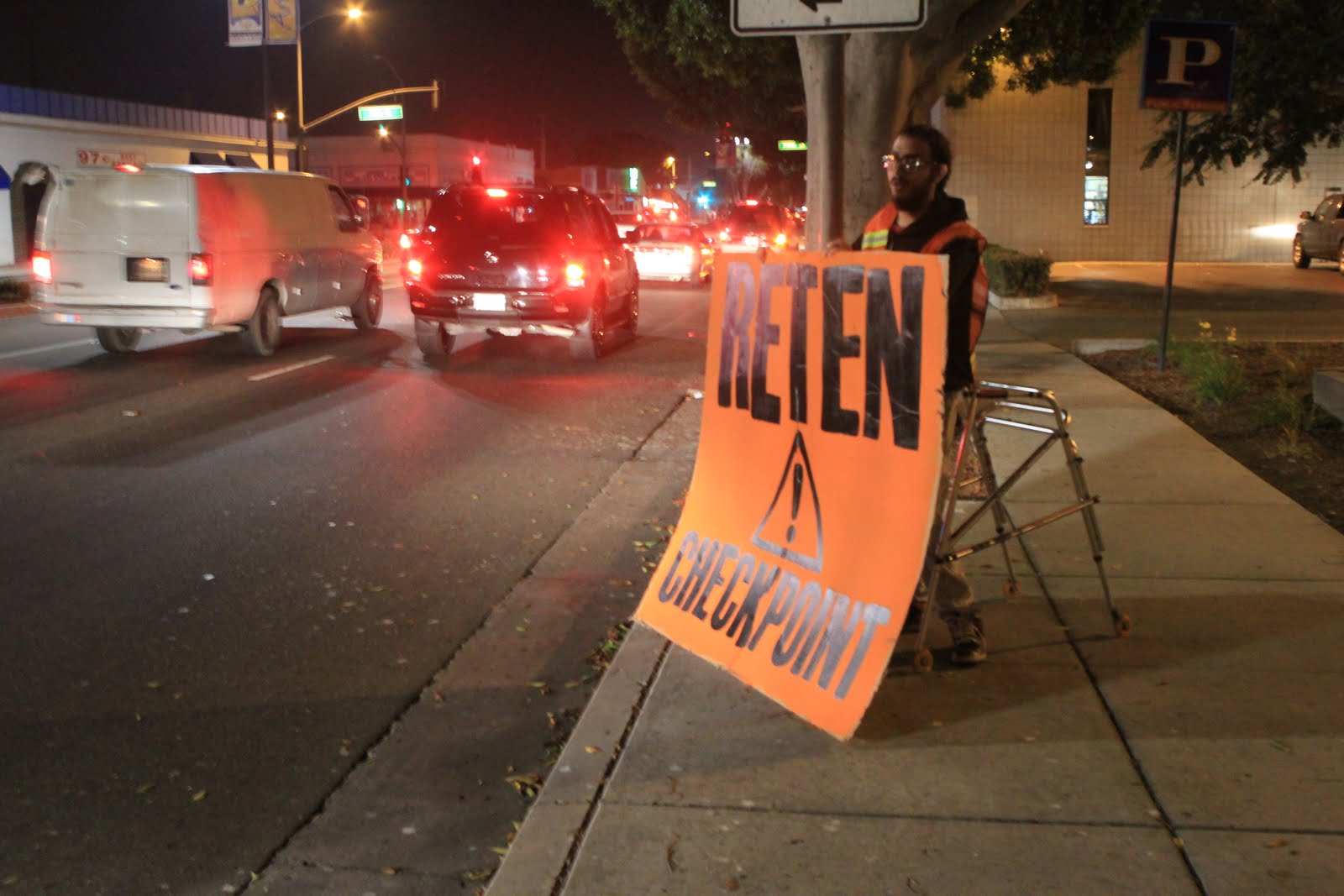
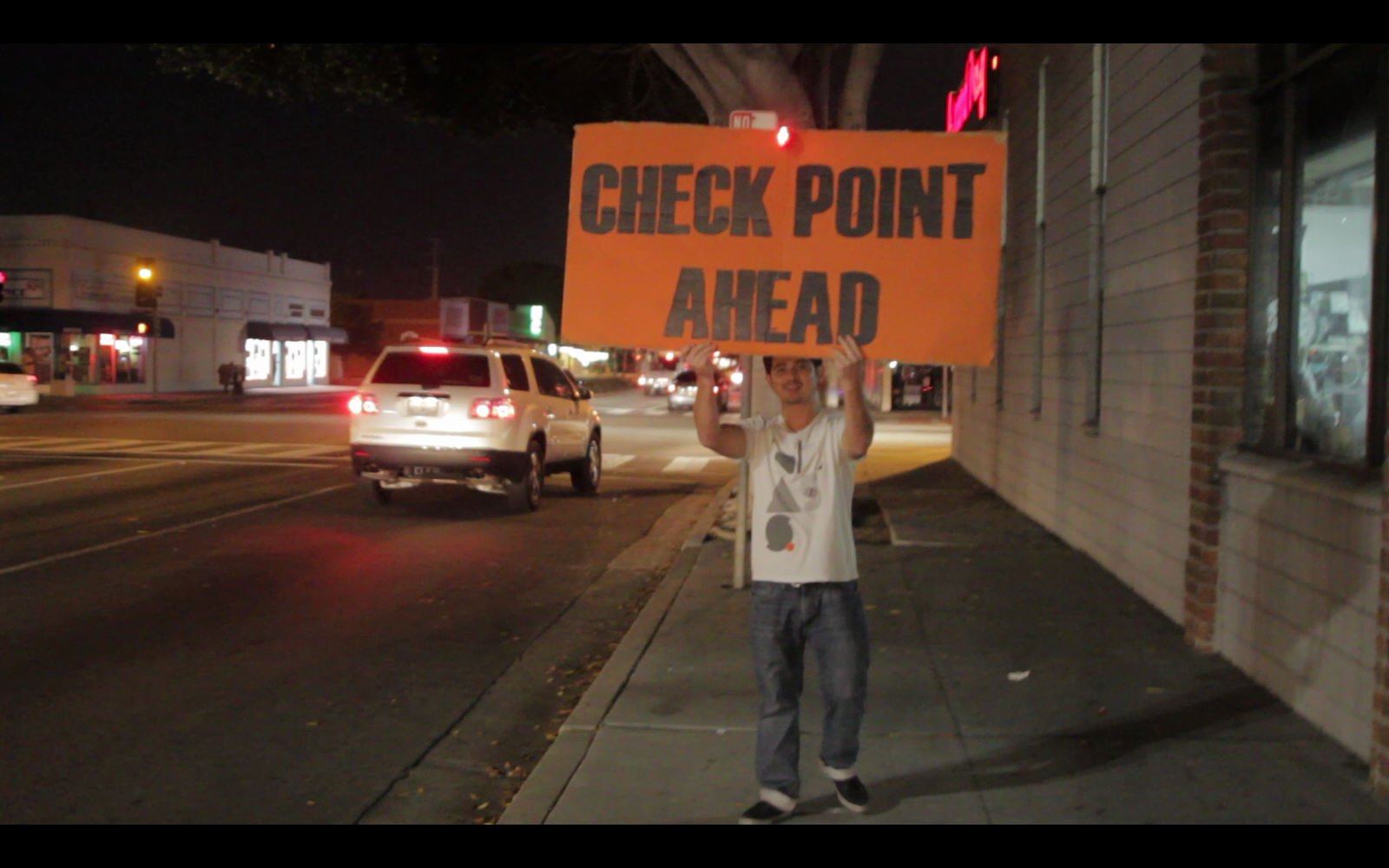
8/19/2011 Action vs. the Checkpoint on Oxnard blvd. & 8th St.

In line with all the actions taking place  against "Secure Communities" and other Poli-Migra mass deportation programs,  Todo Poder Al Pueblo mobilized against police checkpoint abuse in Chiques on the night of August 19th. 


Here are some of the images captured during the action on Oxnard Blvd. followed by a great video by Javier Ordonez. 
End the militarization of our communities!

Compa holding it down just a few blocks before the checkpoint.
Always ready to fight with the community against police checkpoint abuse!
Sgt. Randy Latimer vs. our compañeros, down the street from the checkpoint.
Thanks compas from the Southern CA Immigration Coalition for coming up from LA and the Valley and PROVING your solidarity with our efforts here in Chiques!
VIDEO COURTESY OF JAVIER ORDONEZ
 

Oxnard Blvd. and 8th was only ONE of THREE simultaneous checkpoints in Chiques! We need more people to volunteer to resist these checkpoints — contact us to get involved.
Don’t complain, ORGANIZE!

Nuestra Comunidad Puede Combatir y Resistir el Abuso Policíaco en los Retenes

Nuestra Comunidad Puede Combatir y Resistir el Abuso Policíaco en los Retenes 

Desde el 2009, hemos visto un aumento en el número de retenes, que en vez de tratar de arrestar a conductores de vehículos manejando bajo la influencia, tratan de confiscar vehículos perteneciendo a conductores sin licencia. Reportes indican que se ha incrementado la incautación de vehículos un 52% en los últimos años resultando en un aumento de siete a diez veces más, en el índice de acorralamiento a comparación a los que son arrestados por conducir bajo la influencia.


El Colectivo Todo Poder al Pueblo no aprueba que se maneje imprudentemente, ni mucho menos el conducir bajo la influencia, pero es obvio que los retenes una y otra vez,  generan ganancias que se realizan con la confiscación de autos de los trabajadores-pobres y comunidades migrantes en el Condado de Ventura y alrededor de todo el estado de California.


Las pólizas existentes perjudican a nuestra comunidad mientras enriquecen a otros: datos a nivel estatal indican que casi $40 millones en ganancias se han generado en lo que se cobra por la grúa y en el acorralamiento. En Oxnard, también se cobra un cargo adicional de $241 para que los policías den permiso de soltar el vehículo.


Debido a que muchos residentes son forzados a pagar más de $1,500 en cargos (rescate) por el decomiso de vehículos por 30 días,  se ven obligados a dejar y perder su vehículo; los cuales son vendidos en subastas. Además, órdenes judiciales o arrestos relacionados a multas no pagadas frecuentemente resultan en detención y encarcelamiento. Para los trabajadores indocumentados, este proceso puede resultar en deportación bajo las colaboraciones “Poli-Migra”, entre el Departamento de Jefe de Policía del Condado de Ventura y el Departamento de Seguridad Nacional-Inmigración y Control de Aduanas (DHS-ICE).

Lucharemos por:

  • Alto al abuso policíaco y robo legalizado de vehículos
  • Alto al decomiso forzado  por 30 días
  • Alto a toda la colaboración entre Migra y Policía
  • Alto a la militarización de nuestra comunidad
  • Derecho a Licencias de Conducir para todos los residentes y migrantes

Nuestra comunidad puede tomar liderazgo en resistir el abuso que se está llevando acabo en los retenes. Las familias trabajadoras no tienen ninguna razón porqué dejarse ser hostigadas en sus propias comunidades para el beneficio de otros; tenemos que exigir que se hagan cambios para terminar este proceso injusto.

Involucrarte! Comuníquese con nosotros.

–          Colectivo Todo Poder al Pueblo

Utiliza tus derechos para organizarte y defender tu comunidad!


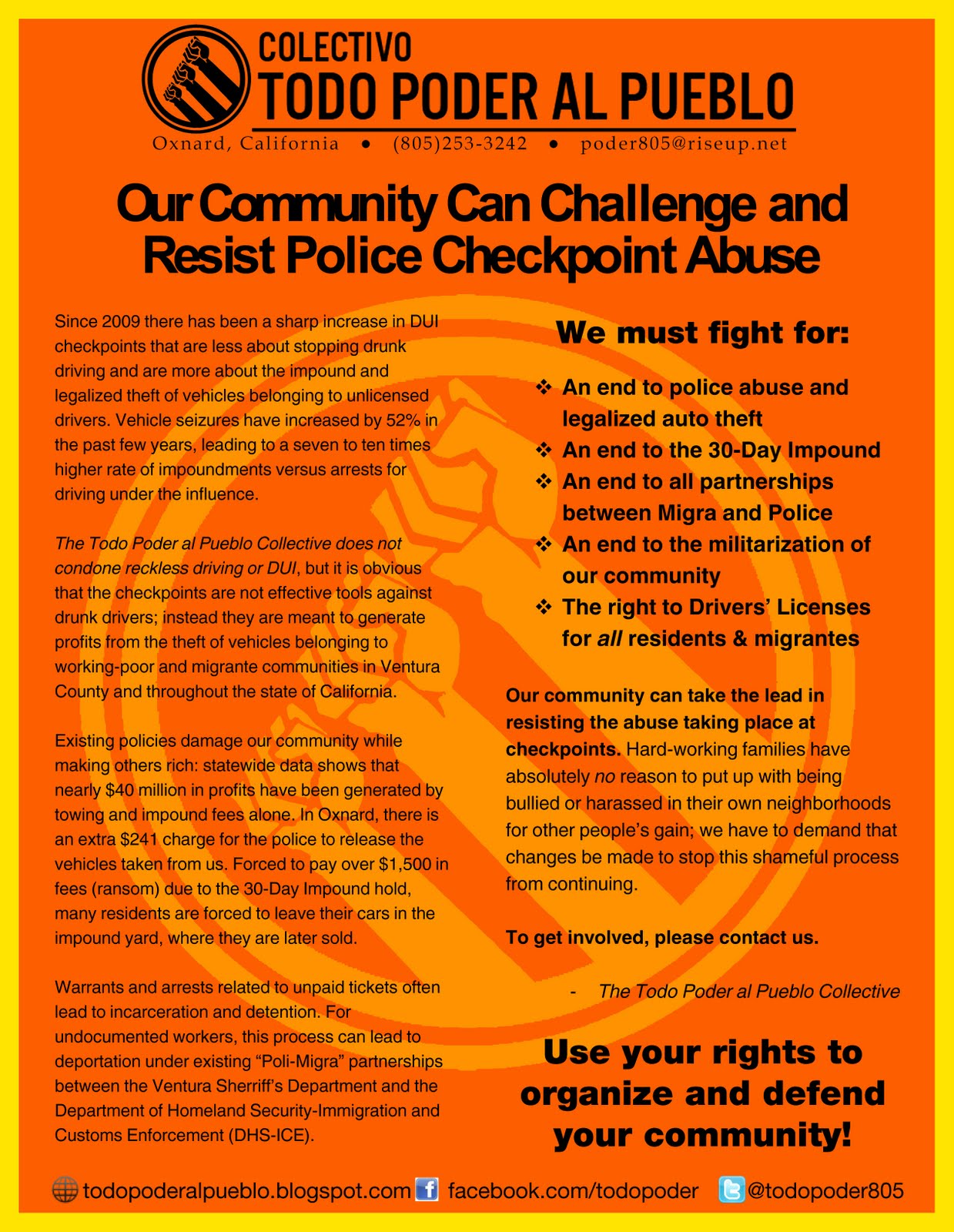
STATEMENT OF POSITION: Our Community Can Challenge and Resist Police Checkpoint Abuse

STATEMENT OF POSITION: Our Community Can Challenge and Resist Police Checkpoint Abuse

Since 2009 there has been a sharp increase in DUI checkpoints that are less about stopping drunk driving and are more about the impound and legalized theft of vehicles belonging to unlicensed drivers. Vehicle seizures have increased by 52% in the past few years, leading to a seven to ten times higher rate of impoundments versus arrests for driving under the influence.

The Todo Poder al Pueblo Collective does not condone reckless driving or DUI, but it is obvious that the checkpoints are not effective tools against drunk drivers; instead they are meant to generate profits from the theft of vehicles belonging to working-poor and migrante communities in Ventura County and throughout the state of California.

Existing policies damage our community while making others rich: statewide data shows that nearly $40 million in profits have been generated by towing and impound fees alone. In Oxnard, there is an extra $241 charge for the police to release the vehicles taken from us. Forced to pay over $1,500 in fees (ransom) due to the 30-Day Impound hold, many residents are forced to leave their cars in the impound yard, where they are later sold.

Warrants and arrests related to unpaid tickets often lead to incarceration and detention. For undocumented workers, this process can lead to deportation under existing “Poli-Migra” partnerships between the Ventura Sherriff’s Department and the Department of Homeland Security-Immigration and Customs Enforcement (DHS-ICE).


We must fight for:

  • An end to police abuse and legalized auto theft

  • An end to the 30-Day Impound
  • An end to all partnerships between Migra and Police
  • An end to the militarization of our community
  • The right to Drivers’ Licenses for all residents & migrantes

 
Our community can take the lead in resisting the abuse taking place at checkpoints.Hard-working families have absolutely no reason to put up with being bullied or harassed in their own neighborhoods for other people’s gain; we have to demand that changes be made to stop this shameful process from continuing.
 
To get involved, please contact us.
 
– The Todo Poder al Pueblo Collective


 Use your rights to organize and defend your community!


Vida Newspaper: Protest against sobriety and driver’s license checkpoint

[since we reject that these are “sobriety checkpoints” which are meant to effectively stop and detain drunk drivers we would like to note that we were not protesting “sobriety” anything!]

[VIDA Newspaper 07/14/11 Oxnard, CA] Protestors were on hand to warn drivers about a sobriety and driver’s license checkpoint on Saturday night when Oxnard police officers screened drivers at the intersection of Channel Islands Boulevard and Dallas Drive, the eastbound lane approaching Rose Avenue

Passing drivers honked in approval and appreciation as members of Todo Poder al Pueblo Collective, lined up on the south side of Channel Islands near Albany Drive, waved cardboard signs warning them of the checkpoint ahead.

“We’re getting lots of thumbs-ups from people saying ‘thank you for doing that,’” said Francisco Romero of Todo Poder.

“It’s a total denial of basic human rights, which is why we’re getting such sympathy from throughout the neighborhood,” Elliot Gabriel, another Todo Poder member, who says this protest was just “the first one of many.”

Romero and Gabriel say police officers are unfairly using DUI checkpoints to seize cars from undocumented immigrants who are also unlicensed drivers. They say drunk driving checkpoints should be used to catch drunk drivers, not licensing violations by undocumented residents.

“They can’t get their vehicle out the next day,” explained Romero, adding that impound fees can range from $30 to $50 a day. “They can’t afford that, so they leave the vehicle and go get another for $300.”

Gabriel said the group is part of a broad coalition of civil rights and immigrant rights activists and lawyers who attended a recent workshop on Assembly Bill 1389, a bill that would change the rules for impounding vehicles. Under current law, police can impound a car or truck for 30 days if a motorist is caught driving without a valid license.

The bill, which is being sponsored in the State Senate by Gil Cedillo (D – Los Angeles) would separate sobriety checkpoints from vehicle inspection checkpoints, making it clearer when cars and trucks may be impounded. The bill passed the Assembly 54-22 on May 27, and now is waiting for approval by the State Senate Public Safety Committee before it goes to the senate floor.

The bill is being opposed by Mothers Against Drunk Driving, the California State Sheriff’s Assn. and other California law enforcement groups.

Oxnard police has expressed concerns about the issue and the perception the community has towards checkpoints and informed they are doing everything in their power not to impound vehicles from people while they continue enforcing the law. Under current law, unlicensed drivers are given time to call someone with a valid driver’s license to drive the car away.

The Channel Islands sobriety checkpoint was one of two held by Oxnard police from 6 p.m. to midnight on Saturday. Another was held in the northbound lanes of Ventura Road at Devonshire Drive.

None of the 828 drivers screened were arrested for drunken driving— but 31 drivers were given tickets for driving license violations. Fourteen of those were for driving without a license and one for driving with a suspended license.

Oxnard Police did not elaborate on what the other 16 tickets were for, but five vehicles were towed and a 46-year-old man was arrested for having drug paraphernalia.

PERIODICO VIDA: PROTESTA EN CONTRA DE RETENES


PROTESTA EN CONTRA DE RETENES
ALERTANA LOS MOTORISTAS: Durante un reten policiaco.

[PERIODICO VIDA 07/14/11 OXNARD, CA] Un grupo de protestantes se hizo presente la noche del sábado pasado para advertir a los conductors sobre un retén que la policía de Oxnard había instalado para identificar a conductores que manejan bajo los efectos del alcohol y aquellos quienes conducen sin licencia.

El retén estaba ubicado en la intersección de Channel Islands Boulevard y Dallas Drive, en el carril con dirección al este hacia Rose Avenue. Conductores que pasaban por el área pitaban a los protestantes como un símbolo de su apoyo y agradecimiento. Los protestantes, los cuales son miembros de Todo Poder al Pueblo, se encontraban en el lado sur de Channel Islands Blvd., cerca de Albany Drive, y mostraban cartels que advertían a los conductors sobre el retén que se encontraba más adelante.

“Estamos recibiendo muchas señales de aprobación de parte de la gente, diciéndonos ‘gracias por hacer eso'”, dijo Francisco Romero, miembro de Todo Poder.

“Es una negación de los derechos humanos básicos, es por eso que estamos recibiendo apoyo de nuestra comunidad”, dijo Elliot Gabriel, otro de los miembros de Todo Poder, quien agregó que la protesta del sábado fue sólo la “primera de muchas” que están por venir.

Romero y Gabriel comentaron que los oficiales de la policía utilizan los retenes anti conductores ebrios para confiscar los vehículos de inmigrantes indocumentados que no tienen licencia de manejar. Ellos dicen que los retenes anti conductores ebrios deben ser utilizados solamente para identificar a quienes manejan bajo los efectos del alcohol y no para otorgar infracciones y multas a los residentes indocumentados.

“Ellos no pueden sacar su vehículo al día siguiente”, explicó Romero, añadiendo que el costo para sacar un vehículo incautado es de entre $30 a $50 dólares al día.”Ellos no pueden asumir tal costo, así que dejan el vehículo ahí y compran otro por $300″.

Gabriel dijo que Todo Poder al Pueblo es parte de una coalición más grande de activistas en pro de los derechos humanos y los derechos de inmigrantes, y abogados que recientemente asistieron a un seminario sobre el Proyecto de Ley 1389 de la Asamblea, el cual cambiaría las reglas para confiscar los vehículos. Bajo la ley actual, la policía puede confiscar un carro o una camioneta por 30 días si el conductor no tiene una licencia de conducir valida.

El proyecto de ley, patrocinado en el Senado del Estado por Gil Cedillo (D-Los Angeles), separaría a los retenes anti conductores ebrios de los retenes de inspección de vehículos, haciendo más claro cuando es que los carros y camionetas podrían ser confiscados. El pasado 27 de mayo, el proyecto de ley fue aprobado por la Asamblea por una votación de 54 contra 22 y ahora esta en espera de ser aprobado por el Comité de Seguridad Pública del Senado Estatal antes de ser enviado al Senado.

Entre quienes se oponen al proyecto de ley se encuentra el grupo Mothers Against Drunk Driving, la Asociación de Alguaciles del Estado de California, entre otros grupos.

La policía de Oxnard ha expresado preocupación sobre el tema y sobre la percepción que la comunidad tiene sobre los retenes, y ha informado que los oficiales harán todo lo posible para evitar confiscar vehículos y seguir enforzando las leyes. Actualmente bajo la ley, las autoridades policíacas le dan la opción a los conductores sin licencia de manejar de llamar a alguien que tenga una licencia valida para venir a recoger el vehículo antes de que sea confiscado.

El retén en Channel Islands Blvd. fue uno de dos retenes que el Departamento de Policía de Oxnard llevó a cabo el sábado de 6 p.m. hasta la media noche. El otro retén estuvo ubicado en los carriles con dirección al norte de Ventura Road en Devonshire Drive.

Ninguno de los 828 conductores inspeccionados la noche del sábado fue arrestado por manejar bajo los efectos del alcohol -aunque 31 conductores recibieron infracciones por violaciones relacionadas a sus licencias de conducir. Catorce de estas infracciones fueron por manejan sin licencia y una más fue por conducir con una licencia suspendida.

El Departamento de Policía de Oxnard no elaboró sobre las otras 16 infracciones, pero cinco vehículos fueron confiscados y un hombre de 46 años de edad fue arrestado por tener objetos para el uso de drogas.